Water in the House? Emergency Water Damage Restoration in Buena Park
Dry it out and you are done? Not quite
The common belief is that once the standing water is gone, the problem is over. It is not. Water soaks into drywall, insulation, subfloor and carpet pad, and it stays there. Damp materials can grow mold and warp wood, and they keep rotting out of sight long after the floor looks dry.
This page covers what happens after water gets where it should not be: removing it, drying the structure, cleaning up after sewage, handling mold and smoke damage, and finding out what caused it. If the plumbing is the source, the leak still has to be fixed, and the sections below point to the right page.
Calls for this work go to a separate line, (888) 681-3447, so a restoration crew answers instead of a plumbing dispatcher. The number is listed on this page and on the contact page. For a plumbing repair, call the main line shown elsewhere on the site.
What to do first, while you wait
Stop the source. If a pipe has burst or a fixture is overflowing, close the main water shutoff, which normally sits near the meter or the point where the line enters the house. For a water heater leak, close its cold water inlet and switch the heater off.
Safety comes before cleanup. Do not stand in water if outlets, appliances or the electrical panel are wet. If you can reach the breaker safely from a dry spot, turn off power to the affected area. If you cannot, stay out and call. Do not use a household vacuum on water, and do not run ceiling fixtures that hold water.
Photograph the damage and the source before moving anything, and keep dated copies. Move small items and rugs out of the water. Then call, and tell the dispatcher what is wet, how long it has been wet and whether sewage is involved.
Never touch wet outlets, cords or the panel. If water is dripping from a light fixture, leave the circuit off and keep clear of the area.
Water extraction and drying: what the crew does and why speed matters
Water extraction removes standing water with pumps and wet vacuums. That is only the first step. A crew then measures moisture in walls, floors and ceilings with meters, and sets drying equipment to pull out what is left.
Air movers blow across wet surfaces to speed evaporation. Dehumidifiers pull the moisture out of the air so it does not settle back into the structure. Both run together, and the crew checks readings over several days.
In rain or flood events, air mover and dehumidifier rental is a common route for homeowners who want to do part of the drying, though a crew with meters can tell when a wall is truly dry.
Speed matters because wet materials degrade and mold can start within a short time. No time frame is promised here, since drying depends on how much water, which materials, the weather and the equipment on site.
| Equipment | What it does | Why it is used |
|---|---|---|
| Pump or wet vacuum | Removes standing water | Stops further soaking |
| Air mover | Moves air across wet surfaces | Speeds evaporation from floors and walls |
| Dehumidifier | Removes moisture from the air | Prevents water from resettling in materials |
| Moisture meter | Measures how wet materials are | Shows when drying is finished |
Flooring, carpet and walls: what can be saved
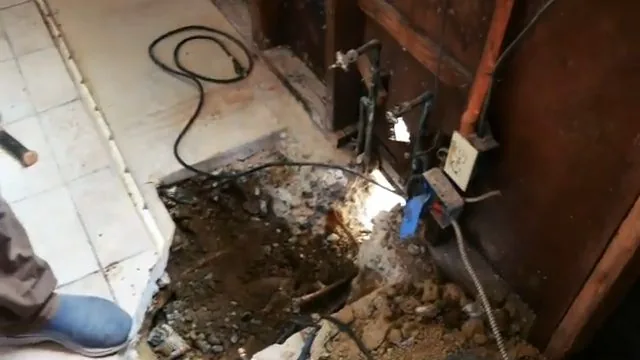
Carpet and pad that have been wet for a short time from clean water can sometimes be dried in place. Pad that soaked up sewage or sat wet too long is usually removed. Hardwood may cup or buckle, and laminate and engineered flooring often swell at the edges.
Drywall and insulation hold water. A crew may cut a flood cut, which means removing the bottom strip of drywall, to dry the cavity behind it. Baseboards come off so air reaches the wall base. A good plan lists what is being removed, why, and what is left for the owner to rebuild.
Flooded basement and crawl space water is a related case. Basement waterproofing and foundation inspection are separate trades from restoration, and a crew can tell you what they see.
If you want a plumber for basement flooding or a flooded basement from a plumbing failure, the sources below point to the right plumbing page. Many Buena Park homes may not have basements, so the term often means a crawl space or a lower level.
Sewage backup cleanup: before the crew arrives
Sewage is a health hazard. Stop using water in the house, keep children and pets back and stay out of the area. Sewage cleanup in Buena Park means removing the waste, cleaning, disinfecting and removing materials that soaked it up, such as carpet pad and porous drywall.
Do not run fans over sewage, and do not use the affected fixtures. Wear gloves and avoid contact. The backup itself comes from a blocked sewer line, a damaged pipe or a drain problem, and a plumber has to clear or repair it, or it will happen again. See the plumbing side of a sewer backup.
City code puts the connecting sewer and house sewer on the owner and the mains on the City. A backup that starts in the City main is a call to the City, and your crew can document what happened.
Mold: testing versus remediation
Mold shows up as fuzzy spots, a musty smell or discoloration on drywall, ceilings or the underside of flooring. Mold testing finds out whether it is present and what kind, using air and surface samples. Remediation removes it and the materials it has grown into, and fixes the moisture that fed it.
Testing and remediation are different jobs, and they are often done by different companies, so that the person who finds the problem is not the same one who sells the fix. Ask who does which, and what the written plan says. Mold inspection and assessment is a visual and moisture check, and testing adds lab results.
No state, county or city mold rule was found for this page, so it states none. Cleaning small patches of surface mold on hard materials is something many homeowners do, while mold in walls, large areas or after sewage should be handled by professionals.
Fire, smoke and odor damage
Smoke and fire damage cleanup, including smoke odor removal in an apartment after a kitchen fire or heavy smoking, covers soot on walls and ceilings, smoke odor in fabrics and ducts, and water used by firefighters. Cleaning removes soot from surfaces, treats odors and dries materials that were soaked during the response.
A fire restoration job may also involve board-up, debris removal and structural repair, which are outside this page. For smoke and odor, ask what will be cleaned, what will be removed and what will be left for a contractor.
Odors can linger in insulation and ductwork, so ask whether those are included. Ask for photographs of the areas before and after cleaning, and for a written list of items that cannot be saved, since those lists are what many people need when they talk to an insurer.
Where the water came from: a plumbing leak, or something else
Finding the source is as important as drying. A plumbing source needs a plumber. A roof, gutter, air conditioner condensate line, irrigation system or a neighbor's unit needs a different fix, and a restoration crew can document it for you.
The table lists the common sources and where to go next. Renters should tell the landlord or property manager and keep their photos. If a condo or apartment shares a wall or ceiling, the neighbor's source is a matter for building management.
| Source | Who fixes it | Page |
|---|---|---|
| A hidden leak in a wall or ceiling | Plumber, after locating the leak | Leak detection |
| Burst pipe | Plumber | Burst pipe repair |
| Leak under the floor slab | Plumber | Slab leak repair |
| Drain backup | Plumber | Drain cleaning |
| Main line break | Plumber and the City if the break is on its side | Water line repair |
| Water heater tank failure | Plumber | Water heater repair |
| Roof, gutter or irrigation | Roofer or irrigation contractor | Not a plumbing page |
| Commercial or multifamily building | Plumber and property manager | Commercial plumbing |
Storm, river and rain flooding follows the same drying steps, though the water may be dirty and the source is outside the plumbing. Leaks from an air conditioner condensate line, irrigation backflow, a neighbor's sprinkler or a washer valve can cup hardwood, soak carpet and pad, and flood a closet or crawl space the same way a pipe does.
An unattended or vacant home deserves a full assessment as soon as a loss is found, since days of unnoticed water make a bigger loss, and a crew can help document the extent of the water damage.
Condo and apartment owners have extra steps: tell the association or property manager, ask who handles a mold assessment for a shared wall, and keep records. Water damage repair and reconstruction, such as new drywall, paint and flooring, usually follows drying and is done by a building contractor.
Insurance claims and loss documentation are the owner's job. Dated photos, a list of damaged items and the written scope from the crew help. This page cannot say what a policy will cover.
Water damage questions answered
Should I test for mold or remove it first?
Testing comes first if you are not sure mold is present, or if you want to know what kind. If mold is visible and the area is large, removal planning usually starts with an assessment.
Ask who does the testing and who does the removal, and what each will put in writing.
How long does a wet home take to dry?
It depends on how much water got in, which materials were wet, the weather and the equipment. A crew measures moisture each day and stops when readings reach normal levels. No fixed time is promised here.
Ask the crew to show you the readings and the target.
What does fire, smoke and odor restoration cover?
It covers soot cleanup, smoke odor treatment, drying of water used in firefighting and removal of damaged materials. Structural rebuilding is a separate contractor.
Ask for a written scope that says what is cleaned, what is removed and what is left for you.
What should I do before the sewage cleanup crew arrives?
Stop using water, send children and pets elsewhere, and do not run fans over the spill. Photograph the damage, and wear gloves if you must move anything.
Call a plumber about the cause so the backup does not return.
Water damage in your home?
Call the water damage line and tell dispatch what is wet, where the water came from and what you have shut off. For the plumbing repair itself, the main line is on the other pages of this site.
Plumbing behind the damage
- Leak detectionFinding the source of the leak
- Sewer line repairSewer backup repair
- RepipingBurst pipe repair
- Drain cleaningBackups from drains
- Commercial plumbingCommercial water damage
Looking for plumbing repairs? Start from the plumbing repair pages or check the service area list.