Pinhole Leaks Again? Emergency Repiping and Pipe Repair in Buena Park
Are your pipes failing? Signs, and what else can cause them
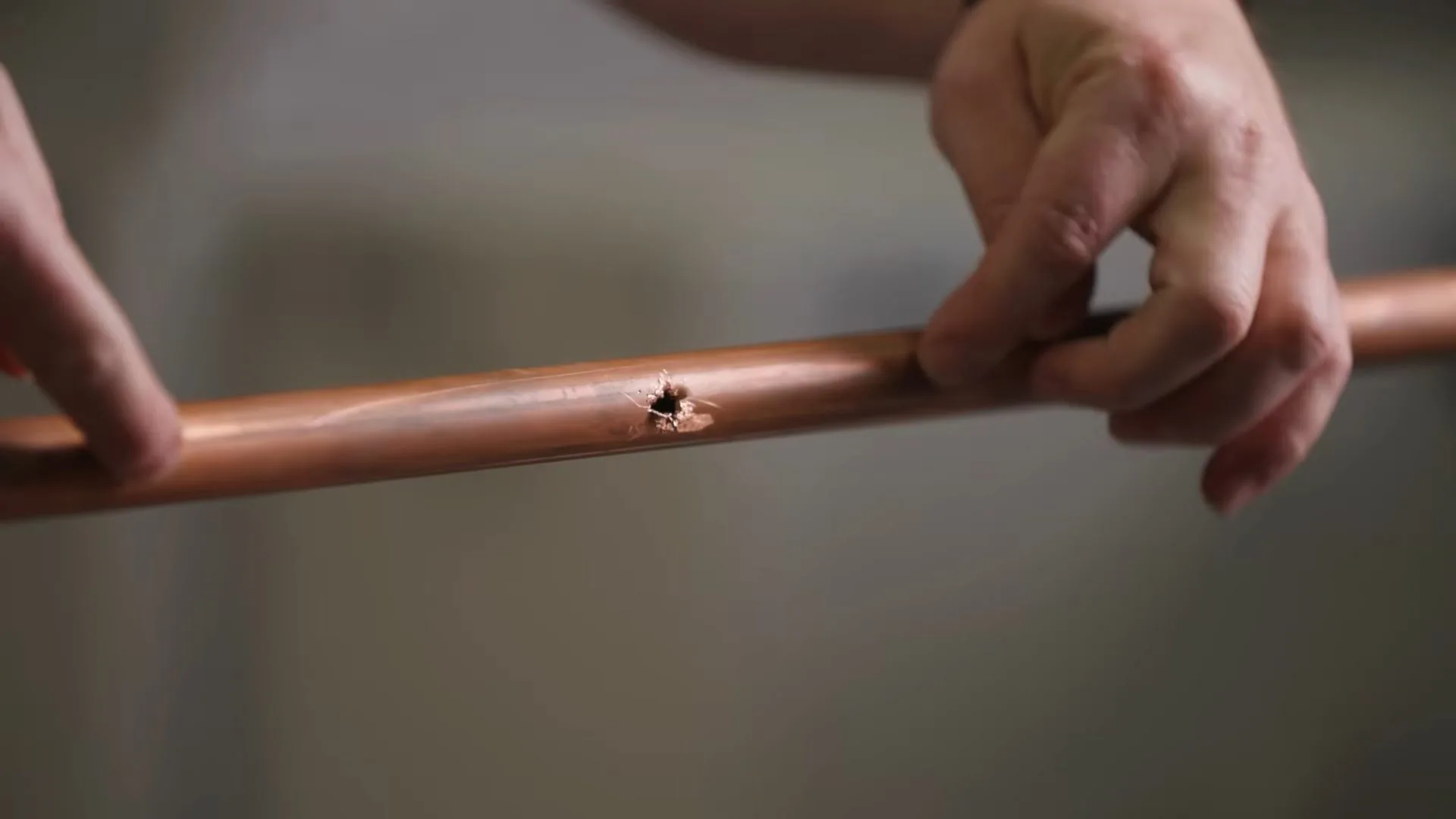
The first pinhole leak is easy to treat as bad luck. The second, in a different spot, is a pattern. Repiping becomes a question when leaks keep appearing in the same system, not when one fitting fails.
Watch for pinhole leaks that leave green or white crust on copper, water that comes out brown or discolored after sitting, a gradual drop in pressure, and a record of repairs on the same line.
Each sign has other possible causes, so a plumber should check before recommending anything large. Low pressure can come from a partly closed valve or a failing regulator. Discolored water can come from the water heater, not the pipes. A single leak can be a bad joint.
Old pipes prone to leaks show premature wear on plumbing components, and recent pipe repairs clustered on one line are the clearest hint. Pipe materials vary from house to house, and the City's records do not say what Buena Park homes use.
If your home has galvanized steel, polybutylene, copper or another material, a plumber can identify it on the first visit by looking at exposed lines. Do not assume; ask what was found.
- Repeated pinhole leaks: corrosion may be spread through the line.
- Brown or rusty water from the cold tap: steel pipe interiors may be rusting.
- Falling pressure over the years: buildup inside pipe can narrow the flow.
- Stains on walls or ceilings that return after repair: a new leak close to the old one.
- Several repairs on the same line: the sign that usually tips the choice toward repiping.
Why age is the first clue
A draft City housing element counts about 78.5 percent of homes as pre-1980 construction, led by the 1950s. Plumbing of that age has had many years to wear.
City documents do not give the pipe material, so an exposed section is the only reliable way to know.
Source: 2021-2029 Housing Element, draft age-of-housing table; the share before 1980 is the sum of its rows.
Burst pipe right now? Do this before the plumber arrives
A burst pipe moves a lot of water in a short time. Close the main shutoff valve, usually at the meter or where the line enters the house, and open a faucet at the lowest point to drain what is left. Switch off the water heater if the flood is large.
Keep clear of the panel and outlets when water is close to them. Move belongings out of the path and take dated photos of the damage before you clean up. Then call, and tell dispatch what you shut off.
A burst pipe repair in Buena Park begins by finding where the pipe let go and whether the damage is one section or several.
Broken and leaking pipes can look alike from the outside, and residential pipe leak detection with listening gear tells them apart before a wall is opened. A plumber can often replace a burst section the same day, then check the rest of the line to see if repiping makes sense.
Main valve first, phone second. Keep everyone out of any wet area that touches outlets or the panel.
Repair or repipe? One leak versus repeated failures
A pipe repair fixes a section. Repiping replaces the lines through the house. Which one is right depends on the pattern.
If a single leak has an obvious cause, such as a bumped fitting or one damaged section, a repair is a sound choice. If leaks appear again and again, if the pipe looks corroded at several points, or if the plumber finds the same material failing in other spots, repiping is more likely to end the cycle.
Pipe replacement in Buena Park sometimes covers only one wing of a house, such as the kitchen and bath lines, rather than every pipe.
A good plumber is honest about repair versus repipe and will say when a repair is enough. Ask the plumber to show you what they found: the leak, the condition of nearby pipe, and any pipe that looked the same. A written note of that, with photos, helps you compare a repair quote with a repipe quote.
| Situation | Leans toward | Why |
|---|---|---|
| One leak from a bumped fitting or a single damaged section | Repair | The rest of the line is sound |
| Second or third leak on the same line | Repipe that line or the house | Failure is spreading |
| Rusty or discolored water with falling pressure | Inspect, then likely repipe | The pipe interior is deteriorating |
| Leaks under a slab | Reroute or repipe | See the slab leak page |
Copper, PEX or something else? What to ask about the new pipe
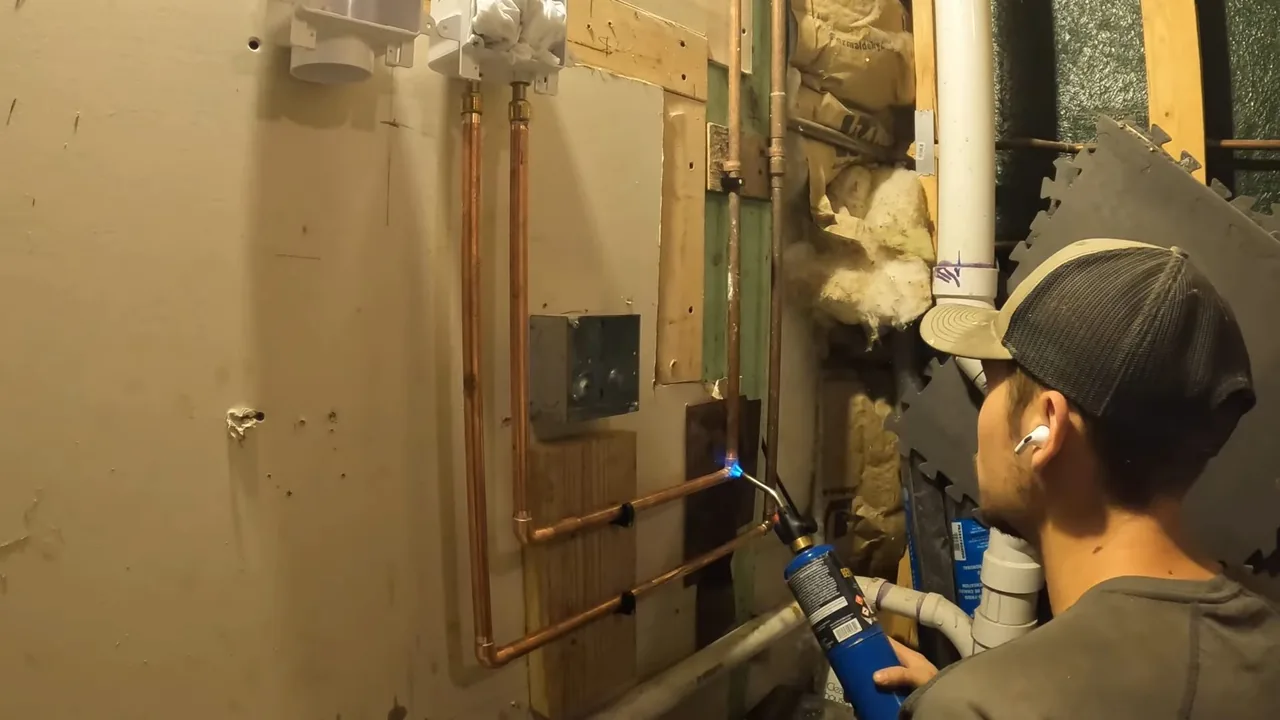
Two materials dominate home repiping. Copper repiping in Buena Park uses rigid pipe soldered or pressed at the joints and has a long record in homes. PEX is flexible plastic tubing joined with crimp or expansion fittings, and it runs around corners with fewer joints. Other plastics exist, and cast iron, PVC and CPVC show up in drains and some supply lines.
Neither material is right for every house. PEX and copper both start with a plan for each wall and ceiling the line crosses. Ask the plumber why they favor one for your home, how many joints each design uses, and what coverage the pipe maker states.
Any such coverage comes from the pipe manufacturer, not from this site or the dispatcher, so ask for the paperwork. Old galvanized pipe, if your home has it, is a clear candidate for replacement. Polybutylene, an older gray plastic that was used for a time in some homes, is another one that plumbers flag when they find it.
Ask about wall patching too. Opening walls to run pipe leaves holes, and some plumbers patch drywall while others stop at the pipe. Get that in writing before the work starts.
Access, disruption and how long the water is off
Repiping a house touches walls, ceilings and sometimes the crawlspace or attic. New lines can run through the attic and down wall cavities, under the floor where there is a crawlspace, or overhead when the old lines sit in a slab.
Ask for a schedule. A plumber should be able to say how long the water will be off each day, which rooms will be opened and whether a temporary supply will be provided. A whole-house job is usually planned in phases so the family can keep using at least some fixtures.
Under-slab and underground pipe is a separate case. If old lines are in concrete, rerouting new ones overhead avoids breaking floors, and the plumber should explain how the old lines will be capped.
Permits, inspection and hard water
No City page states whether a repipe needs a permit, so ask the Building Division at (714) 562-3636 and ask the plumber who applies. Permit work needs a licensed contractor. The state board's website lists the classes, with a listing for water and gas service piping, and license details can be requested from dispatch.
Hard water is part of the picture. The City reports roughly 12 grains per gallon from groundwater and 9.4 from imported water. That leaves scale in new fixtures and heaters, so ask about scale control when you plan the job. The softening the supply explains the options.
If a burst or leak has already soaked walls or floors, see drying and cleanup after a pipe break. Dried-out materials and a clear inspection record help when you later sell the house.
Repiping and pipe repair FAQs
Can pipes be fixed without digging, with trenchless lining?
Sometimes. Trenchless lining coats the inside of an existing pipe so it can stay in place, and it is more common for drain and sewer lines than for supply lines in a house.
A plumber has to look at the line first. Ask what the lining is made of, how long it is expected to last, and what happens if it fails.
What is a whole-house repipe, and when does an older pipe type matter?
It replaces the supply lines through the house. It is chosen when pipe is failing in several places or when a known problem material is found, such as polybutylene or heavily corroded galvanized steel.
Have the plumber name the material and show you photos before you agree to anything.
How can I prevent pipe problems?
Know where your main shutoff is and test it twice a year. Watch your water meter and your bills for changes, and fix small drips early. If the pressure is high, a regulator can protect pipe and fixtures.
Hard water leaves scale, so ask a plumber about flushing the heater and treating the water.
What should I do if a pipe bursts?
Close the main shutoff valve, open a faucet at the lowest point to drain the line, and switch off the water heater if the flood is large. Avoid outlets and the panel if water has reached them.
Take photos and call a plumber. Do not wait for the water to stop on its own.
How soon can someone come for a burst pipe?
Often, but arrival depends on demand and where the plumber is. Burst and flooding calls are handled first by dispatch.
Say what you shut off and whether water is still running; dispatch will also want your address and a short description of the damage.
Pipes leaking, bursting or failing?
Describe the leak and what you shut off, then ask the plumber whether it sounds like a repair or a repipe and what to check first.
Related to pipe problems
- Water damage restorationDamage from a burst pipe
- Slab leak repairReroute or repipe for leaks under the floor
- Leak detectionFinding the source before opening walls
- Water line repairWhen the failing pipe runs outside the house
- Water softeners and filtrationScale control for new fixtures
Need another service? Browse the plumbing services index or confirm your town on the areas page.