
Hissing Sound or Warm Floor? Emergency Slab Leak Repair in Buena Park
Slab leak or something else? Signs to sort out first
You call, and the first thing the dispatcher asks is what you notice. Most people describe one of a few things: a floor that is warm under bare feet, the sound of running water with every fixture off, a water bill that jumped, or damp carpet along a wall.
A slab leak in Buena Park is a leak in a water line that runs under or inside a concrete foundation slab. The words only apply if your home is built on a slab. Foundation type is not the same on every street, so if you are not sure, ask the plumber to confirm it at the first visit.
Several other problems produce the same signs, and it helps to rule them out before anyone talks about concrete. A leaking water heater can warm a closet floor. A leaking fixture can drip into a wall cavity and show up at the baseboard. A running toilet can raise the bill without any hidden pipe at all.
Slab leaks in midcentury homes are common to talk about, since Buena Park has many from the 1950s, but slab leaks under newer homes happen too, so age is a clue and not a rule. Spotting a slab leak early comes down to checking the meter now and then. A plumber sorts these out first, because the simplest explanation to test is usually the right place to begin.
| What you notice | Slab leak possible? | Other causes to rule out |
|---|---|---|
| Warm spot on the floor | Yes, if a hot water line runs under it | Heat from a water heater, a sunny window, or radiant heating |
| Sound of running water with fixtures off | Yes | A running toilet, a leaking fixture or an irrigation timer |
| Water bill jumps with no change in use | Yes | A running toilet, a faucet drip or a yard leak |
| Damp carpet or flooring near a wall | Possible | A wall leak, a plumbing fixture or a window leak |
| Low water pressure at every tap | Possible | A failing pressure regulator or a leak on the main |
If you see water on the floor or smell something damp, shut off the main water valve and call. Water pushing up through a slab can damage flooring quickly.
Confirming the leak before anything is opened
Breaking concrete is not where a good slab leak job starts. Concrete slab leak detection begins with locating the leak, so that the opening is as small as possible.
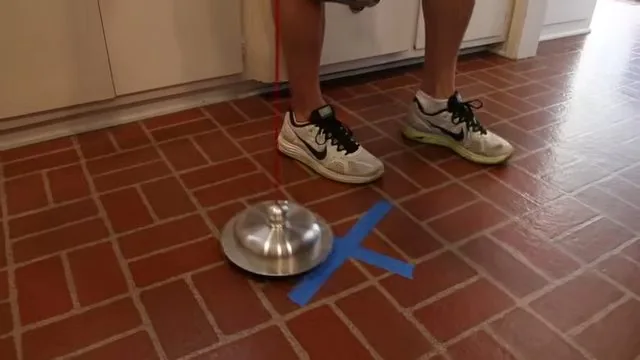
Ask the plumber which tools will be used. Acoustic equipment listens along the floor for the sound of water escaping a pipe. Thermal imaging can show a hot water line warming the slab. A pressure test on each line helps tell which of several lines is leaking. Then a plumber marks the spot on the floor so you can see where work will happen.
Slab leak detection in Buena Park should leave you with something you can check: a marked location, a reason that line is suspected, and a note on whether more than one leak is likely. Ask the plumber to write down which line is leaking, because that affects the repair choice in the next step.
A foundation leak inspection by a plumber checks the water lines, not the structure. If you worry about slab leaks affecting foundations or home stability, the plumbing repair comes first and a structural inspector can look at the rest afterward.
Repair options compared: spot repair, reroute or repipe
There are three common ways to fix a leak under a slab. The right one depends on how many leaks there are, how easy the pipe is to reach and the condition of the rest of the line.
A spot repair through the slab means cutting a small opening in the floor and concrete at the located leak and repairing that section. It suits a single leak in a line that is otherwise sound. A reroute abandons the leaking line under the slab and runs new pipe through walls and the attic or ceiling space.
It is common when a line has leaked more than once. A repipe replaces the supply lines through the home, which makes sense when pipe is failing in several places. You can read more on the a full repipe.
Some plumbers also offer epoxy lining and pipe bursting for certain lines. Ask how long the method is expected to last in a line like yours, and what the plumber would do if the repair fails.
| Option | Fits when | Ask about |
|---|---|---|
| Spot repair through the slab | One located leak in a line that is otherwise sound | How much floor and concrete is removed and who patches it |
| Reroute overhead or through walls | Repeated leaks or a hard-to-reach line | Where new pipe will run and what wall or ceiling work follows |
| Repipe | Pipe failing in several places | What material will be used and what is permitted |
| Epoxy lining or other trenchless methods | A line that can be reached from both ends | Expected lifespan and what happens if it fails |
A call about a slab leak can still start with a shutoff and a located leak. The plumber decides the repair method after the leak is found, not before.
Residential slab leak repair follows the same path in every case: find a slab leak, mark it, then choose among the slab leak solutions above. Slab leak detection and rerouting often go together, and an underslab leak service call should end with a written note of what was found. The benefit of repairing a slab leak sooner is less lost water, less soaked flooring and a smaller repair.
What to ask the plumber before work starts
Slab leak repairs touch floors, walls, concrete and sometimes the building permit, so a few questions up front are worth the time. They also help you compare what two plumbers propose.
Ask what pipe material was found and how many leaks the plumber believes there are. Ask whether the work needs a permit, and then ask the City Building Division at 6650 Beach Blvd or (714) 562-3636 to confirm.
No City page states whether a slab or repipe permit is required, so a direct question is the only reliable answer. Ask what will be patched and what will not: tile, carpet and paint are often separate work.
Contractor license class matters too. A state license is needed for work that needs a building permit. The contractor board's website lets you look up a license class, including the one for water and gas service piping, before work begins, and dispatch can supply license details on request.
Why age matters for slab leaks
About 78.5 percent of Buena Park homes predate 1980 according to the City's draft housing element, with the 1950s on top. In an older house the plumbing may be original, and a line that has leaked twice is a candidate for replacement rather than another patch.
Pipe materials are not listed in City documents, so let the plumber report what was found.
Source: Buena Park 2021-2029 Housing Element, draft age table; the pre-1980 share is the sum of its rows.
Wet floors, insurance records and the foundation
A slab leak can soak flooring and the base of walls long before you see it. If carpet, wood flooring or baseboards are wet, mention it when you call so the plumber can check how far the moisture has spread.
Take dated photos of damaged flooring and keep your water bills, because both help if you decide to ask your insurer about the loss. Insurance coverage varies by policy, and no plumber can promise what a policy will cover.
Long-running water under a slab can affect the soil and the concrete, but how serious that is depends on the home. If you have doubts about the foundation after a leak, ask for a plumber's findings in writing and consult a qualified inspector. Damp materials left in place can grow mold, and drying and cleanup guidance covers what comes next.
General leak finding for walls, ceilings and yard lines is covered on the general leak finding.
How fast to act on a suspected slab leak
Call now if water is visible on the floor, if the floor is hot to the touch, or if the sound of running water is constant. Shut off the main water valve first. With the water off, the leak stops, and the plumber can locate it without more damage.
A scheduled visit fits when the signs are mild: a slightly higher bill, or a faint sound that comes and goes. Even then, watch the water meter. A meter that keeps moving with everything off means the leak is steady.
When you call, dispatch takes your address and what you have noticed, then hands the job to a plumber who works your part of Buena Park, either one of ours or an independent plumber from our network. Arrival depends on traffic and demand, so no time is promised.
Slab leak FAQs
What is a slab leak?
A slab leak is a leak in a water line that runs under or through a concrete foundation slab. The water can rise through the concrete as a damp or warm spot, or leak into the soil under the house where you cannot see it.
It only applies if your home is built on a slab. A plumber can confirm that on the first visit.
What are the symptoms of a slab leak?
The usual signs are a warm spot on the floor, the sound of running water with fixtures off, a rising water bill, damp carpet or flooring, and low water pressure.
If the meter moves with every fixture off, shut off the main and call. If the signs are mild, take a meter reading, wait an hour with no water used, and check again. A change means water is leaving the pipe.
How do I know if I have a slab leak?
Start with the water meter. Turn off all fixtures and appliances, note the reading, and check again after an hour. A change points to a leak somewhere on the property, and a warm floor or a hissing sound suggests it is under the floor.
Only a plumber with detection equipment can say where the leak is, so the meter check is the first step, not the last.
Do I need a plumber for a slab leak?
Yes. A slab leak is hidden, so it takes locating equipment and a plumber who can decide between a spot repair, a reroute and a repipe.
You can handle the first step yourself: shut off the main water valve. If the leak is minor, schedule a visit. If water is showing on the floor, call right away.
Think there is a leak under your floor?
Tell dispatch what you hear or feel, such as a warm floor or running water. A plumber from your part of Buena Park can then explain how the leak will be located and which repairs are possible.
Pages that connect to slab leaks
- Leak detectionFinding leaks in walls, ceilings and yards
- RepipingReroute and repipe as a slab leak fix
- Water damage restorationDamage checks after a slab leak
- Water line repairLeaks between the meter and the house
- Water heater repairA heater leak that mimics a slab leak
Other problem? The full plumbing services list and the neighborhoods covered are a click away.